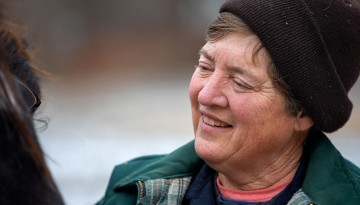
In recognition of the cumulative and consistent impact of her veterinary and volunteer work in and around her hometown, Barbara Mix, CVM ’82, was named the newest recipient the Cornell New York State Hometown Alumni Award.
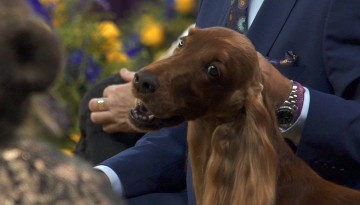
The College of Veterinary Medicine made its debut earlier this month as the official veterinary care provider of the Westminster Kennel Club dog show in New York City.
The Atkinson Center for a Sustainable Future is welcoming five new postdoctoral fellows, who will study global food systems, health and energy transitions.
Building on Cornell’s decades of fundamental and comparative research in the immunological sciences, Provost Michael Kotlikoff has announced the creation of a new Cornell Center for Immunology.
Cornell professors Adrienne Roeder and Bethany Cummings both will receive $15,000 as winners of the 2019 Schwartz Research Fund for Women in the Life Sciences award.