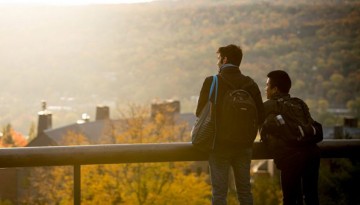
Twenty-six Cornell graduate students have won more than $42,000 in fall 2018 Research Travel Grants, which provide students up to $2,000 to conduct thesis or dissertation research.
This year's AAAS electees from Cornell include a renowned artificial intelligence researcher, an emeritus professor who studies animal migration patterns, and a food safety expert.
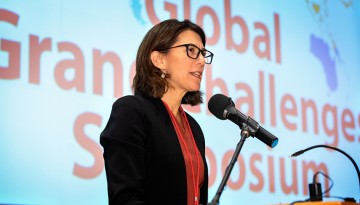
Global Grand Challenges Symposium brought together faculty, administrators and guests to discuss challenges on which Cornell should place emphasis and resources in 2019-2020.
Praveen Sethupathy, associate professor of biomedical sciences in the College of Veterinary Medicine, and Nicolas Buchon, assistant professor of entomology in the College of Agriculture and Life Sciences, discuss their collaboration in the study of gut biology, gut microbes and intestinal stem cells.
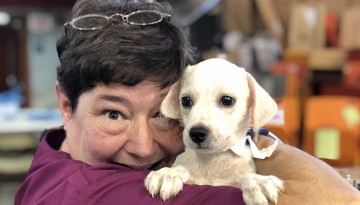
The College of Veterinary Medicine has introduced state-of-the-art artificial canine cadavers on which veterinary students can practice their surgical skills.
Cross-campus gathering will focus on the biggest challenges facing the world, and help determine a theme on which the university will focus in the 2019-2020 academic year.