Weill Cornell Medicine was awarded a $2.7 million grant to establish a Diversity Center of Excellence to increase the number of minority physicians in academic medicine.
On Sept. 21-22, more than 12,000 alumni, parents, faculty, staff and students members enjoyed Homecoming traditions, including the Big Red Fan Festival.
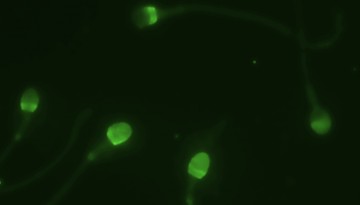
A new test developed at the College of Veterinary Medicine quantifies “capacitation,” the changes that take place within a sperm cell that enable it to fertilize.
A study compares the genetics between the tame and aggressive silver foxes in two areas of the brain, shedding light on genes altered by domestication.
Women faculty in the life sciences have until Nov. 5 to apply for a grant from the Schwartz Research Fund for Women conducting research in the Life Science.
With a $7.5 million gift from the Friedman Family Foundation, Weill Cornell Medicine has established a cross-campus center dedicated to improving human health through research in the complex relationship between nutrition, inflammation and the development of disease.