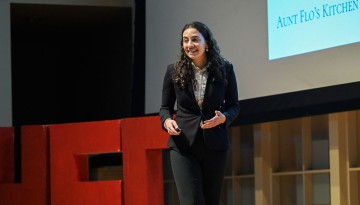
CEO and co-founder of Kalibri Labs, a hospitality platform that increases hotel value by identifying the most profitable revenue mix and driving smarter hotel real estate investments, to be honored.
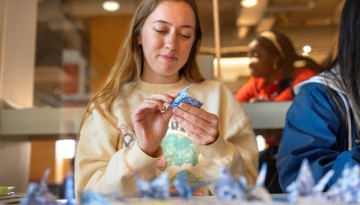
Hotel administration students raised nearly $5,000 for Make-A-Wish Central New York - with help and inspiration from an alumna who was a wish-kid herself and founded, in 1994, the first college "wish-makers" group in the country.
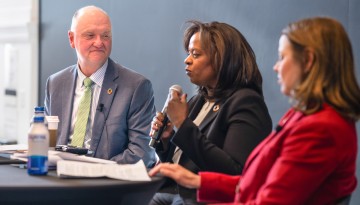
According to new research out of the Cornell SC Johnson College of Business, conservatives are more likely than liberals to negotiate over price for items such as used cars or houses.
Cornell researchers have developed an economic model that calculates the additional business activity and tax revenue generated from purchases of specific local products.
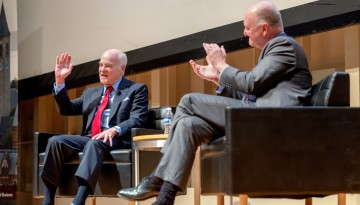
The evolving role of ethics in business leadership, and how leaders can balance navigating climate change and inequality with turning a profit, were key themes at this year’s David J. BenDaniel Lecture in Business Ethics.
Paul L. Gaurnier ’50, M.S. ’56, emeritus professor and former associate dean in the Cornell Peter and Stephanie Nolan School of Hotel Administration, died Feb. 9 in Tucson, Arizona. He was 101.