The Cornell SC Johnson College of Business kicks off the fall semester by welcoming its newest faculty. Learn about the academic focus, teaching, and interests.
Julie Hulali Morikawa ’01 founded ClimbHI to help Hawai‘i middle and high school students explore career options, uncover what they really enjoy doing, and get a better sense of the practical steps necessary to pursue their goals.
Ariel Ortiz-Bobea, associate professor at Dyson, and collaborators have found that a law regulating wine production in 1930s France, known as the AOC, resulted in a 7% net increase in industry welfare, and set the standard for quality control.
The Samuel Curtis Johnson Graduate School of Management is announcing a new BioEntrepreneurship Initiative to connect MBA students and life science researchers to life science companies in NYS while catalyzing the formation of new life science startups.
Farmers markets and roadside stands are more successful in communities with more nonprofits, social enterprises and creative industries, according to a new study.
This spring witnessed many projects to make Cornell’s learning spaces more inclusive, but what does it take to put great ideas into action for change? On June 25, over 45 participants from across campus gathered to hear from a panel of innovative graduate students and postdocs.
Students in this year’s Kessler Fellows cohort have secured summer internship placements and are getting to work contributing to startups across the nation. The program, rooted in the College of Engineering at Cornell University, offers juniors across disciplines the chance to fully immerse themselves in the world of entrepreneurship.
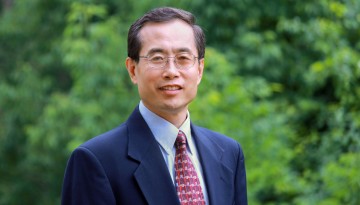
Zhao, professor of economics at Michigan State University, will begin his appointment as the David J. Nolan Dean of the Charles H. Dyson School of Applied Economics and Management on July 1.