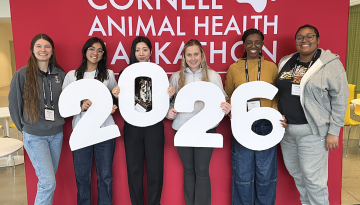
Products to fight ear infections in dogs, a parasite in cattle and animal population control challenges won top honors at the Feb. 20-22 Animal Health Hackathon at the College of Veterinary Medicine.
Major search platforms may strategically obfuscate search results — placing certain items in prime positions on their sites, for example — to increase profits, a study from the Cornell SC Johnson College of Business finds.
Two professors who won a prize for their paper on artificial intelligence and conspiracy theories are among several faculty members recently honored for their work.
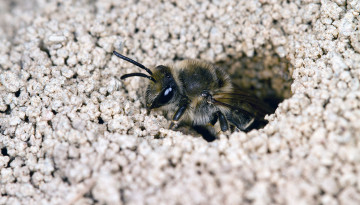
Five new projects from the Cornell Atkinson Center for Sustainability and The Nature Conservancy seek to protect pollinators, restore oyster habitats, manage flood risk and support “cattlevoltaics.”
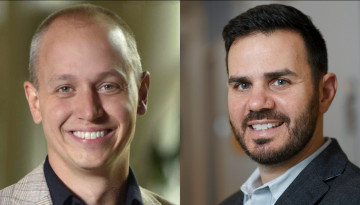
The 2026 Newcomb Cleveland Prize from the American Association for the Advancement of Science goes to psychology researchers Gordon Pennycook and David Rand.
Cornell researchers including marketing professor Kaitlin Woolley ’12 found that people relied more on the enjoyment they derived from an activity than time spent on it when gauging progress toward a goal.