Cornell is a global leader in sustainability and climate change research, teaching and engagement. Our campuses are living laboratories for developing, testing and implementing solutions that address these most challenging issues.

Cornell helps farm get veterans job-training approval

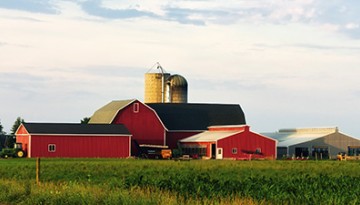
The Cornell Small Farms Program Farm Ops initiative helped Kreher's Poultry Farm in Clarence, New York, receive approval as the state's first on-the-job training program for military veterans to become farmers.

Dilmun Hill Student Farm celebrates 20 years

To celebrate Dilmun Hill Student Farm's 20th anniversary, students will welcome the community to a farm tour Oct. 29.

Drought conditions persist into October on campus, in region

Effective water-use reduction strategy and education has cascaded into keeping Cornell from going dry in this summer-fall drought, noted Chris Bordlemay speaking to local leaders Oct. 3.

Megadrought risks soar as atmosphere warms in Southwest

As a consequence to a warming Earth, the risk of a megadrought in the American Southwest – one that lasts more than 35 years – likely will increase to a 20- to 50-percent chance this century.

Report offers options for achieving carbon neutrality by 2035

The Senior Leaders Climate Action Group's report includes a financial analysis and feasibility study that would allow the university to make decisions based on costs and benefits in the context of its academic mission.

Roundtable to explore potential of geothermal energy

An Oct. 17 roundtable discussion will drill deep into the promise of geothermal energy at a time when Cornell is considering a groundbreaking project of its own at 4:30 in 155 Olin Hall.

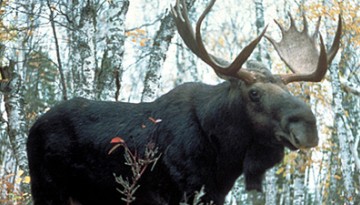
Wildlife program gets $4.8 million to track NYS disease

The New York State Cooperative Wildlife Health Program – a partnership among Cornell and New York state to track and manage wildlife diseases – will receive $4.8 million over the five years.

Lessons learned after historic flooding topic of summit

On the anniversary of two devastating Southern Tier floods, local leaders will convene at the Living with Water summit Oct. 7-8 to review community resilience and the region's economy.

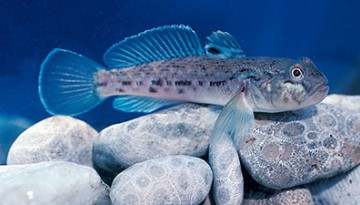
Sedimental journey: Scientists tackle toxin particle capture

As lakes and waterways are threatened by end-of-summer blue-green algae that produce cyanotoxins, new Cornell research shows how water chemistry controls toxic molecules captured by sediment.