Using a combination of DNA sequencing and computer science techniques, researchers have developed a new method for monitoring the health of organ transplant patients.
AguaClara, an Engineering Project Team that has built 14 gravity-powered surface water treatment facilities in Honduras over the last 12 years, has begun construction of its first plant in Nicaragua.
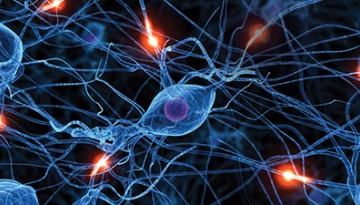
A five-year, $9 million grant from the National Science Foundation will create the Cornell Neurotechnology NeuroNex Hub to develop new tools for neuroscience.
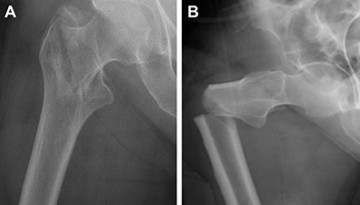
A research team led by Eve Donnelly, assistant professor in materials science and engineering, has published a study regarding a dangerous side effect of long-term use of bisphosphonates to treat osteoporosis.
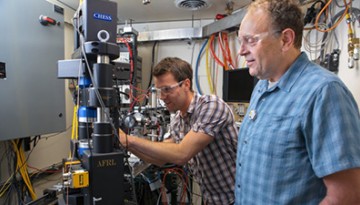
InSitu@CHESS, a program begun in 2014 by engineering professor Matt Miller, offers a way for industry and other labs to test materials using the high-energy X-rays of Cornell's synchrotron source.
Professor Emmanuel Giannelis has been named vice provost for research and vice president for technology transfer, intellectual property and research policy. His five-year appointment begins July 20.
For the third year, Cornell is holding ComSciCon-Cornell, a science communication workshop organized by graduate students, for graduate students and postdocs July 14 and 22.
Research teams led by professors Robert Bruce van Dover and Hadas Kress-Gazit have both been granted up to $7.5 million from the U.S. Department of Defense for autonomous systems and AI research.