Prominent journalists with expertise in Europe and Russia will join Cornell professors to discuss the global implications of the war in Ukraine during the upcoming event “Aftershocks: Geopolitics since the Ukraine invasion,” on Sept. 22.
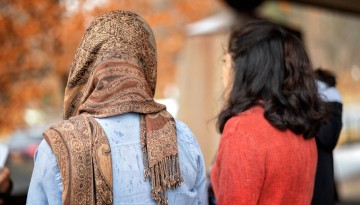
Nine Afghan undergraduates from Bangladesh-based Asian University for Women, who fled their country after the Taliban took control in August 2021, have been admitted as Cornell students with full financial aid.
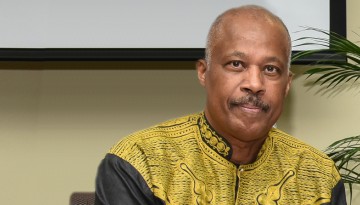
An acclaimed historian of the Caribbean and a multidisciplinary professor of the built environment have been appointed the newest A.D. White Professors-at-Large. Three full visits and three “mini” visits are planned for this semester.
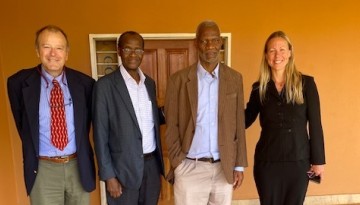
The Institute for African Development (IAD), part of the Mario Einaudi Center for International Studies, and the Southern African Institute for Policy and Research (SAIPAR) honored Muna Ndulo, William Nelson Cromwell Professor of International and Comparative Law, Cornell Law School, at an August conference celebrating his influence as a legal scholar, constitutional advisor, academic leader and expert in international law and development.
A fishing vessel suspected of engaging in labor abuses was detained by the South African government on Aug. 3, days after a workshop led by the International Labour Organization in collaboration with the ILR School.
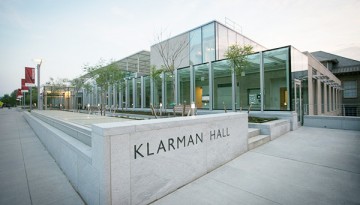
There’s a place in the world for every Cornell student. Undergraduate students across all colleges and majors will find study abroad programs worldwide to advance their academic and career goals, including opportunities at the new Cornell Global Hubs.