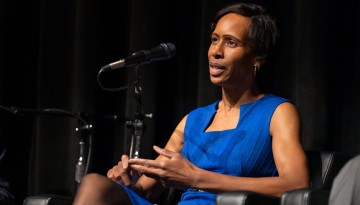
At the event, “Aftershocks: Geopolitics Since the Ukraine invasion,” a panel of faculty and experts raised concerns about worldwide consequences stemming from the ongoing conflict that began with Russia’s invasion of Ukraine.
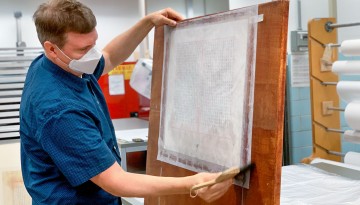
The public will hear about the Library of Congress’ efforts to conserve and digitize 41 volumes of Chinese knowledge in its collection in a talk by curator Dan Paterson, at noon on Sept. 27, sponsored by Cornell University Library Conservation.
Organizers added a strikethrough to the conference name this year, recognizing that the word “frontier” is rooted in a history of white-settler colonialism.
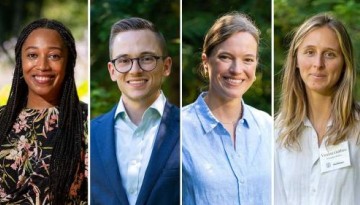
Fifteen new faculty are bringing innovative ideas in a wide range of topics to the College of Arts & Sciences’ nexus of discovery and impact, including climate change, astronomy, identity studies and the economy.
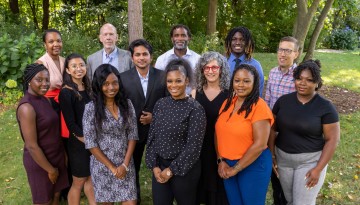
Eight graduate students from Historically Black Colleges and Universities (HBCUs) arrived at Cornell in August as the inaugural cohort of Thomas Wyatt Turner Fellows, as participants in a one-year program designed to support next-generation leaders in inclusive and sustainable agricultural development.
Eleven 2030 Project grants were awarded to Cornell faculty for an array of fast-track climate solutions, including tools to help New York communities reduce their greenhouse gas emissions.
Major figures in world economics will gather in Ithaca Sept. 15-17 to re-think the foundations of economics and the nature of regulation – with particular care for the environment.
An ambitious and innovative new initiative expands opportunities for faculty, alumni and students across the university to engage with 20 partner universities in 11 locations, while also welcoming international students here.