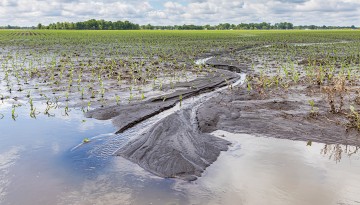
A Cornell-led international team of researchers has received a $65,000 grant from the National Endowment for the Humanities for its project, “The Next Monsoon: Climate Change and Contemporary Cultural Production in South Asia.”
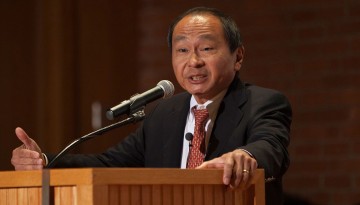
The Center for the Study of Economy & Society presents a new fall lecture series, “The American State in a Multipolar World,” beginning on Monday, Oct. 18th with an in-person lecture by Francis Fukuyama '74.
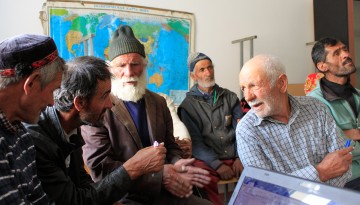
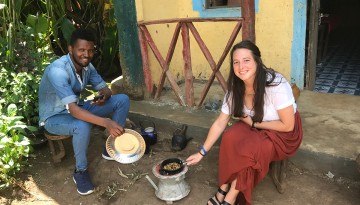
Karim-Aly Kassam is leading a project that brings together Indigenous and rural communities and scholars from across the globe to develop ecological calendars that integrate local cultural systems with seasonal indicators.
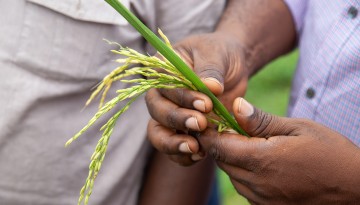
A new online course opens opportunities for scientists and agricultural development professionals to blend technical skills with the most advanced findings in social sciences.
A new graduate fellowship program will support students from Minority Serving Institutions (MSIs) to become next-generation leaders in global crop improvement.
This year's MPS in Global Development program will provide in-depth training to more than two dozen students who are mid-career professionals, scholars and aspiring development professionals from more than ten countries across the globe.
The new Critical Development Studies provides a deep and critical analysis of the history, practices and structural inequalities of international development.
From quantifying climate vulnerability in Haiti to documenting the ecological calendars of Indigenous and rural communities, Cornell student projects aim to reduce climate impacts around the world.
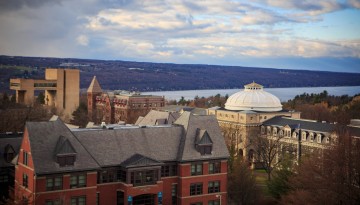
The Finger Lakes Energy Compact is part of a new international initiative overseen by the United Nation’s Sustainable Development Goals Program. The compact will combine Cornell’s research initiatives and campus efforts in renewable energy and energy efficiency with the City of Ithaca and the Town of Ithaca’s ambitions for a Green New Deal.