The Cornell China Center has announced six new grant awards, totaling $140,000, to support research by Cornell faculty teams partnering with researchers in China.
Cornell was founded on the principle of “… any person … any study,” and today more than ever, that means celebrating students of all lived experiences and identities – including undocumented students.
A new undergraduate major in Global Development opens pathways for Cornell students to engage in critical scholarship and global field experiences while studying some of the most urgent challenges facing people and the planet.
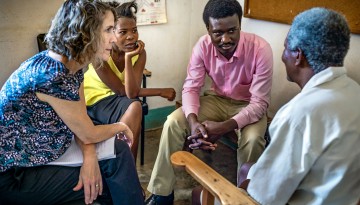
Through the Malawi Resentencing Project, the International Human Rights Clinic and Cornell Center on the Death Penalty Worldwide have helped dozens of death row prisoners win reduced sentences or release.
The book, “13 Leaders: Stories of Community Building for Systemic Change,” published by Cornell students, honors the journeys and life’s work of 13 Cornell Civic Leader Fellows.