A May 22 webinar tapped into Cornell’s expertise on the study of democracy, which is facing challenges all over the world and has been for a long time – long before the COVID-19 pandemic.
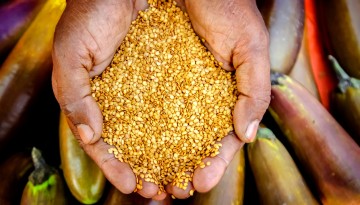
Farmers in Bangladesh achieved significantly higher yields and revenues by growing insect-resistant, genetically engineered eggplant, a new Cornell study has found.
Cornell’s Virtual Reunion will be a celebration for all classes this year, with more than 80 events bringing Cornellians together from around the world.
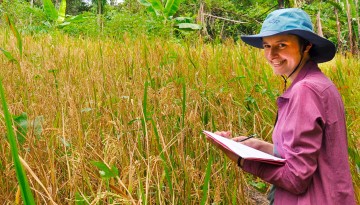
Ecologist and conservation biologist Amanda Rodewald studies birds and the ecosystems on which they depend, looking for the best outcomes for people and the planet. This approach turned her attention to coffee farms.
Thirty-five outstanding seniors were recognized as 2020 Merrill Presidential Scholars, an honor they share with the teachers and professors who inspired them and contributed to their academic development.
This year, a new cohort of 16 Ph.D. students in the Einaudi-SSRC Dissertation Proposal Development Program must adapt to the obstacles brought on by the global pandemic.
“Three Chinese Academic Libraries’ Experiences during the COVID-19 Outbreak” was the final installment of “Academic Libraries for Sustainable Development Goals,” a four-part webinar series organized by Cornell University Library.
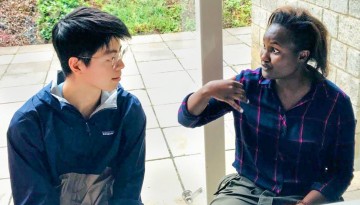
Students reflected on their learning experiences and future goals in community engagement as they completed a leadership certificate program this spring.