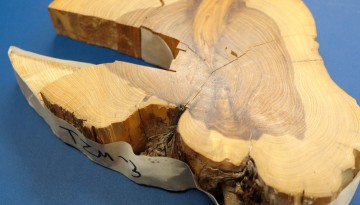
Sturt Manning, the Goldwin Smith Professor of Classical Archaeology, is leading investigations into the timelines of ancient events, using tree ring data to refine the widely used radiocarbon dating method.
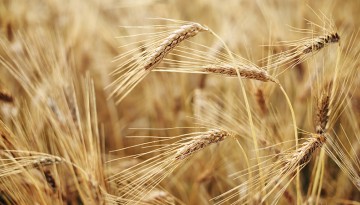
Scientists will gather virtually Oct. 7-9 for the Borlaug Global Rust Initiative’s virtual technical conference to discuss strategies to safeguard the health of wheat, one of the planet’s most important food sources.
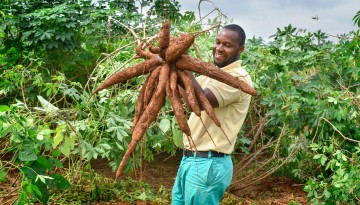
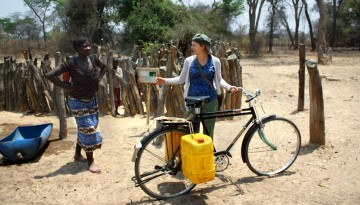
Scientists in Cornell’s NextGen Cassava project have uncovered new details regarding cassava’s genetic architecture that may help breeders more easily pinpoint traits for one of Africa’s key crops.
Ray Jayawardhana, the Harold Tanner Dean of Arts and Sciences and professor of astronomy, has been awarded the 2020 Carl Sagan Medal by the Division for Planetary Sciences of the American Astronomical Society.
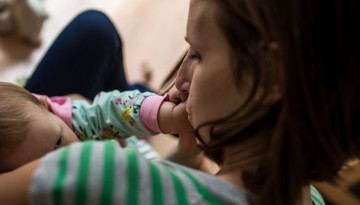
Cornell researchers are leading a review on the risk of coronavirus transmission through breast milk intake and breastfeeding, to inform WHO guidelines during the pandemic.
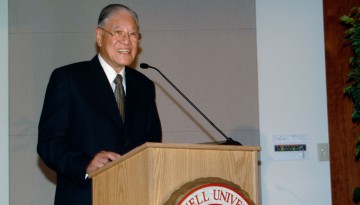
Lee Teng-hui, Ph.D. ’68, the first popularly elected president of Taiwan, who helped guide the island toward prosperity and democracy, died July 30 in Taipei. He was 97.
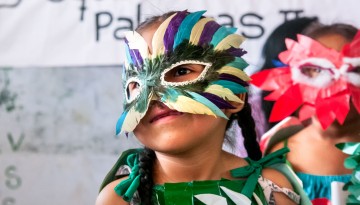
Two Lab of Ornithology staff members created a science project on birds with community leaders, teachers and students in the Peruvian Amazon. The result? A flowering of community interest beyond anything they could have imagined.