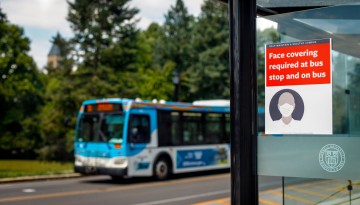
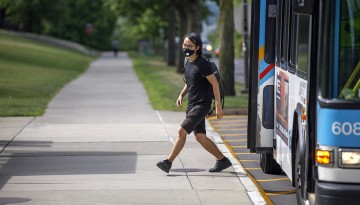
For local transit buses this fall, the road through the COVID-19 pandemic is paved with safety, as TCAT’s fall service schedule starts Aug. 30 and runs through Thanksgiving.
Since requesting proposals in April, the Cornell Atkinson Center for Sustainability has awarded approximately $250,000 in rapid-response grants for COVID-19-related Cornell research.
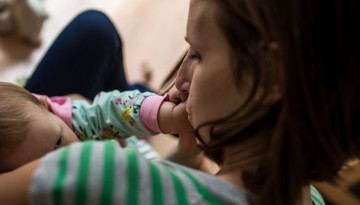
Cornell researchers are leading a review on the risk of coronavirus transmission through breast milk intake and breastfeeding, to inform WHO guidelines during the pandemic.
Weill Cornell Medicine’s Clinical and Translational Science Center has been awarded a two-year, $1.5 million NIH grant to investigate how social and biological factors help determine COVID-19 outcomes in New York City patients.
Dr. Sallie Permar and Dr. Stephen Patrick have been jointly awarded Weill Cornell Medicine's fifth annual Gale and Ira Drukier Prize in Children’s Health Research.
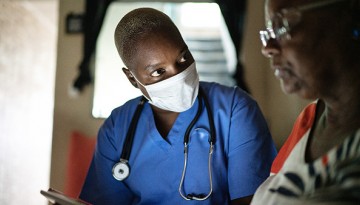
Home health care workers in New York City faced increased risks to their physical, mental and financial well-being while providing essential care to patients early in the COVID-19 pandemic, according to researchers.
The Cornell Veterinary Biobank has received a $2.5 million federal grant to process, store and distribute biological samples for the Dog Aging Project, a massive national effort to study aging in dogs – and humans.
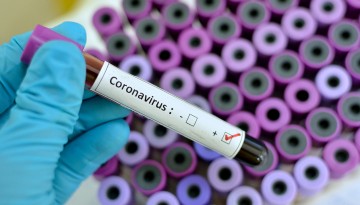
The university launched its COVID-19 testing program for students July 16 as part of a multipronged public health effort. The initial focus is “arrival testing,” in which students are tested upon their return to the Ithaca area.