What can faculty, students and community members be doing in response to institutional racism and its role in shaping health equity? A webinar organized by the Cornell Center for Health Equity will examine this question.
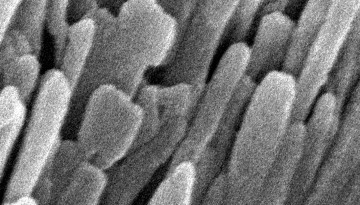
A collaboration between researchers from Cornell, Northwestern University and University of Virgina combined complementary imaging techniques to explore the atomic structure of human enamel, exposing tiny chemical flaws in the fundamental building blocks of our teeth.
A multidisciplinary, Cornell-led team of scientists will study how plant pathogens that travel the globe with dust particles might put crops at risk, especially in places where people struggle to eat.
Research from the Tata-Cornell Institute for Agriculture and Nutrition shows that India’s rigorous lockdown has driven up the price of produce, limiting people’s ability to afford a nutritionally diverse diet.
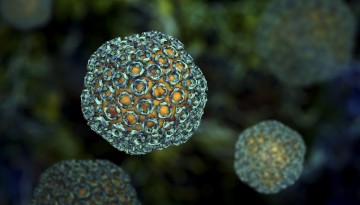
In the midst of COVID-19, it’s common to feel stress levels rise when we hear the word “virus.” But Cornell-led research reveals that the sound of the word itself was likely to cause stress – even before “corona.”
Due to the COVID-19 pandemic, $10 billion is urgently needed to prevent millions more people becoming food insecure, according to a new report by Cornell and international partners.
A single protein derived from a common strain of bacteria found in the soil will offer scientists a more precise way to edit RNA, according to new Cornell food science research.
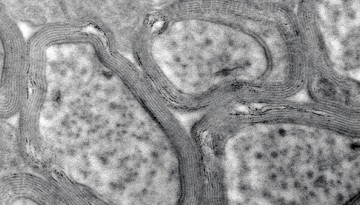
Fenghua Hu is researching factors that cause Alzheimer’s and similar diseases. Her new study shows the role that one particular gene plays in protecting the central nervous system via the formation and maintenance of the myelin sheath.