For the first week of 2017’s Conference of the Parties in Bonn, Germany, Nov. 6-17, seven Cornell students met with business and government leaders from around the world.
Cornell researchers have taken a major step toward answering a key question in cancer research: Why is testicular cancer so responsive to chemotherapy, even after it metastasizes?
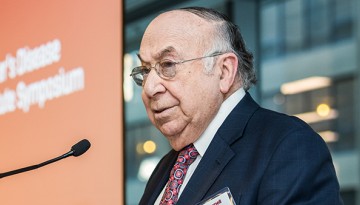
Advances in scientific innovation are leading to powerful discoveries about Alzheimer’s and neurodegenerative diseases according to experts at the Appel Alzheimer’s Disease Research Institute Symposium.
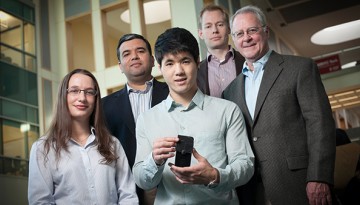
Professors Saurabh Mehta and David Erickson, the co-founders of Cornell's Institute for Nutritional Sciences, Global Health and Technology (INSiGHT) discuss radical collaboration and using technology to solve global health problems.
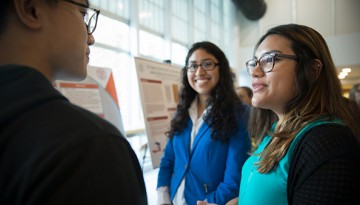
More than 40 student teams gave presentations based on their global and public health learning at the Cornell Global Health Program annual symposium Nov. 3.