A research team led by Eve Donnelly, assistant professor in materials science and engineering, has published a study regarding a dangerous side effect of long-term use of bisphosphonates to treat osteoporosis.
By learning how an immune cell called Tr1 works in the body, researchers hope to one day harness the cells to better treat allergies and infections, according to new Cornell research.
Cornell food scientists have found that people with a diminished ability to taste food choose sweeter – and likely higher calorie – fare. This could put people on the path to gaining weight.
Ph.D.-level plant breeders now come from 16 countries in West Africa, where Cornell contributes to educating them as the next generation of plant breeders in Africa.
Experiencing a range of positive emotions, from enthusiasm to amusement, is linked to lower levels of inflammation, says a new study by Anthony Ong. He and his team drew on approaches used to measure the biodiversity of ecosystems.
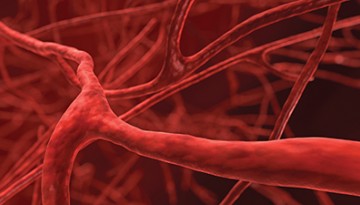
A protein found in the cells lining blood vessels plays a central role in preventing fluid and inflammatory cells from leaking into lung tissue, Weill Cornell Medicine researchers discovered.
Genetic mutations caused by rearranged chromosomes drive the development and growth of certain colorectal cancers, according to new research conducted by Weill Cornell Medicine investigators.
A new study draws on experiences of members of care teams working with end-of-life patients to identify strategies to improve quality of life through policies, palliative care practices and design.
By studying the effects of immune cells that surround blood vessels in the brain, Weill Cornell Medicine researchers have discovered a new pathway that may contribute to Alzheimer’s disease.