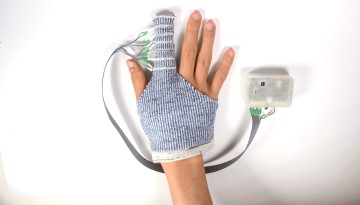
Working with physicians at Weill Cornell Medicine and therapists at the Cayuga Medical Center, Cornell Hybrid Body Lab researchers have devised a knitted wearable technology that can ease discomfort caused by hand edema.
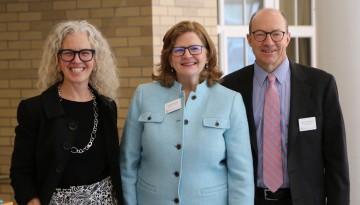
The Sloan Program in Health Administration in the Cornell Jeb E. Brooks School of Public Policy has once again been ranked among the best in the nation. The new U.S. News rankings have the program rising to the No. 8 spot.
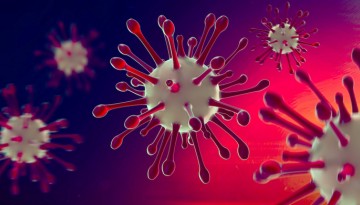
A treatment combining two antibodies against the coronavirus SARS-CoV-2 strongly protected high-risk people with early COVID-19 symptoms from hospitalization and death in an international Phase 2/3 clinical trial.
The Cornell Center for Health Equity has launched its racial allyship training course, providing anyone who wants to learn to be a better ally with essential skills and tools they can use in their personal and professional lives.
Researchers have identified blood biomarkers that could help pediatricians quickly diagnose severe cases of COVID-19 as well as multisystem inflammatory syndrome, also known as MIS-C, which emerged during the pandemic.
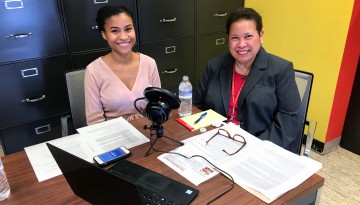
Pauline Flaum-Dunoyer has interviewed more than a dozen women physicians of color, and donated the recordings and transcripts to NewYork-Presbyterian/Weill Cornell Medicine, where their legacies will be preserved for future generations.
Joeva Barrow, assistant professor of molecular nutrition in the Division of Nutritional Sciences, has won a 2022 Hartwell Individual Biomedical Research Award, which funds biomedical research to advance children’s health.
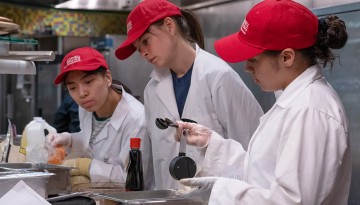
A diverse group of students and recent graduates representing Cornell’s four contract colleges has been selected to receive the 2023 State University of New York Chancellor’s Award for Student Excellence.