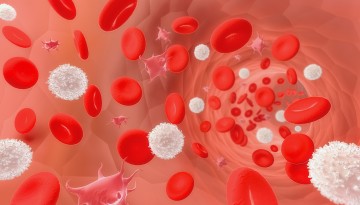
Patients with HIV had similar treatment outcomes to patients without HIV when treated for mpox with an antiviral drug called tecovirimat, according to a new study.
Nearly 90% of patients with an aggressive subtype of non-Hodgkin lymphoma had their cancer go into remission in a small phase 2 clinical trial testing a treatment aimed at making chemotherapy more effective, according to Weill Cornell Medicine and NewYork-Presbyterian investigators.
Two Cornell faculty members have been named Freeman Hrabowski Scholars by the Howard Hughes Medical Institute, in recognition of their potential to become leaders in their research fields and to create diverse and inclusive lab environments.
More research and oversight are needed before making permanent a pandemic policy that allows hospitals to treat acutely ill patients in their homes, according to new Cornell research.
In a first-of-its-kind analysis, Cornell researchers and partners at the Clinton Health Access Initiative found that pharmaceutical producers could reduce their environmental impact by roughly half by optimizing manufacturing processes and supply chain networks and by switching to renewable energy sources.
As the world population grows and climate change threatens agriculture and global food systems, researchers across Cornell CALS are reimagining agri-food systems for the 21st century.
People who refused to get vaccinated against COVID-19 had low levels of social trust, weak attachments to the rule of law, and were less willing to honor collective commitments to the greater good, according to Cornell research published today.
Targeting part of a key antiviral pathway may one day offer a new therapeutic approach to deterring or delaying cognitive decline, according to preclinical research led by Weill Cornell Medicine scientists.