International organizations have failed to help the world’s governments manage competing objectives as they try to cope with the havoc caused by the COVID-19 pandemic, according to new Cornell research.
A year-long mapping exercise, utilizing COVID-19 as a “stress test,” has resulted in 10 country-specific reports on the state of worker organizing, bargaining and social dialogue in garment-producing nations.
In the final webinar of the College of Arts and Sciences’ yearlong series, “Racism in America,” panelists will focus on the impact that racism has on the economy. The event is on April 27 at 7 p.m.
In a study published April 14 in PLOS One, an international research team including Michèle Belot, professor in the Department of Economics, found that children valued sweet food more after receiving it as a reward.
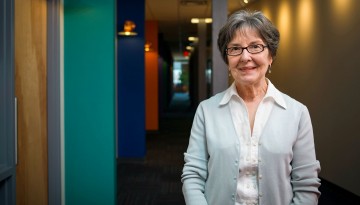
For more than four decades, ILR’s Lou Jean Fleron has been making western New York a better place for working people, by leading community-based economic development programs.
The May issue of the ILR School’s peer-reviewed journal explores new theories that help us understand economic and social changes that affect employment relations.
Representing Cornell’s four contract colleges, the recipients of the 2021 State University of New York Chancellor’s Award for Student Excellence will be recognized during a virtual ceremony April 14.