The Graduate Excellence and Impact Awards recognized members of the graduate community for their impacts on advancing access, engagement and belonging through service and leadership.
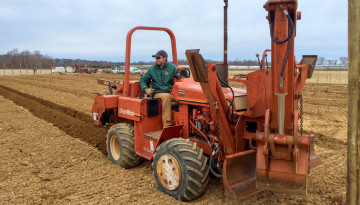
Harbes Farm on Long Island relies on a mutually beneficial collaboration with Cornell researchers, a partnership that has made the family’s three farms key destinations for Long Island agritourism.
Annual A&S teaching and advising awards celebrate the dedication, generosity and enthusiasm of instructors who reach beyond expectations to benefit their students.
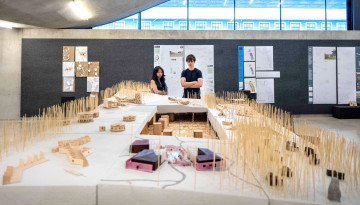
After Camp Owahta’s arts and crafts building burned down last summer, the Cortland County camp’s leadership turned to second-year architecture students for fresh ideas.
The university's annual snapshot reveals $9.5 million in need-based scholarships and grants to Tompkins County students attending Cornell – and a deepening commitment to the region that goes far beyond the campus boundary.