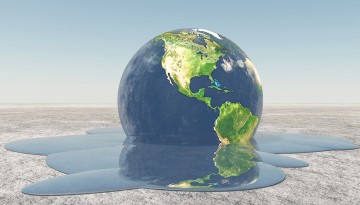
In the Northeast, December temperatures helped to make 2023 the warmest year on record for 13 of the region’s 35 major urban areas, including New York City, says Cornell’s Northeast Regional Climate Center.
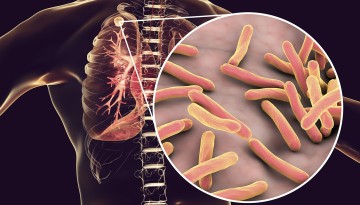
Weill Cornell Medicine researchers and the TB Drug Accelerator have received two grants totaling $6.8 million from the Bill & Melinda Gates Foundation to study tuberculosis drug development.
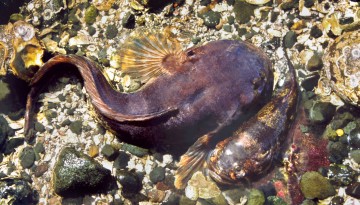
For talkative midshipman fish, the midbrain plays a key role in patterning trains of sounds and may serve as a model for how mammals, including humans, control vocal expression.
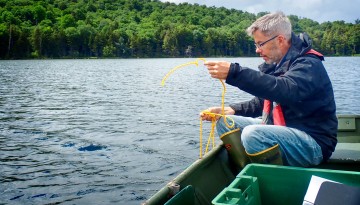
Climate warming and lake browning – when dissolved organic matter turns the water tea-brown – are making the bottom of most lakes in the Adirondacks unlivable for cold water species such as trout, salmon and whitefish during the summer.
Influencers are encouraged to reveal their innermost selves to their followers – to “put themselves out there” – but doing so can result in identity-based harassment, according to research by Brooke Erin Duffy, associate professor of communication.
Scholars from Cornell and the Open University of the Netherlands have developed a programmable network model that offers the ability to customize packet scheduling – the air-traffic control mechanism built onto the network switches that make the internet possible.
While more than 2 billion people in developing countries still cook with traditional fuels that yield greenhouse gas, a Cornell professor advised COP28 to support small-scale biogas.