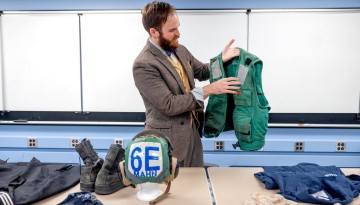
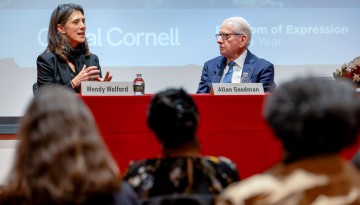
Live events Nov. 16-17 will illuminate questions about performance, photograph and video – and the complex relationship between the three – posed in a current Johnson Museum exhibition.
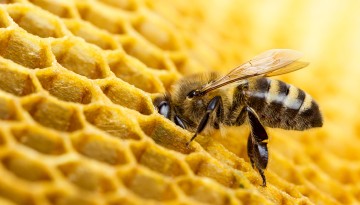
An analysis of beeswax in managed honeybee hives in New York finds a wide variety of pesticide, herbicide and fungicide residues, exposing current and future generations of bees to long-term toxicity.
In response to the COVID-19 pandemic, faculty in Cornell’s Public Health Program developed an innovative online training program to help boost skills in the public health workforce. A recent study recently reports that 94% of participants gained skills and knowledge they could apply directly to their work, and 86% developed a better understanding of public health.
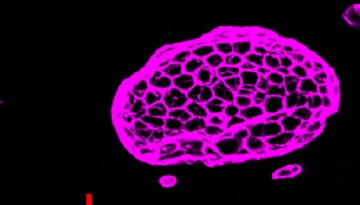
Researchers at Weill Cornell Medicine have demonstrated how amyloid beta, a peptide associated with Alzheimer’s disease, can interact with a protein receptor on immune cells in the brain. This triggers a reaction that damages blood vessels and causes neurodegeneration.
For its work supporting international scholars whose work puts them at risk in their home countries, Cornell has been awarded the Institute of International Education’s Centennial Medal. It was presented to Provost Michael I. Kotlikoff on Oct. 30.
ILR researchers have calculated the 2023 living wage for Tompkins County is nearly 10% higher than in 2022, the highest increase in three decades. The most important factor driving the new figure is the increased cost of housing.
Twenty-five faculty and academic staff from nine Cornell colleges and units are Engaged Faculty Fellows for the 2023-24 academic year, with projects dedicated to advancing community-engaged learning at Cornell and within their respective fields.
A Nov. 16 talk sponsored by the Office of the Provost and the College of Arts and Sciences will shed light on the history of hate movements in the U.S.