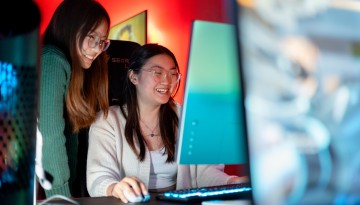
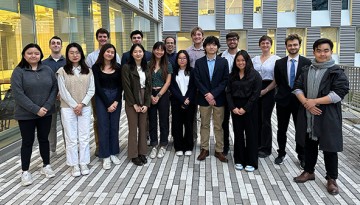
The Kessler Fellows program has welcomed a record 20 students to its 2023 cohort. The group will spend the spring semester learning entrepreneurial basics in preparation for a fully funded summer internship at a startup.
Cornell Law School Professor Charles Whitehead discussed the shifting regulatory environment around crypto and what’s next for the technology in a recent webcast, “Crypto Regulation: Can Securities Laws Keep Pace with Innovation?”
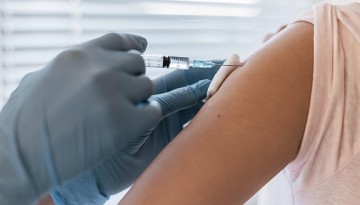
Colleges and universities that imposed COVID-19 vaccine mandates for students in the fall 2021 semester averted 11% of cases and reduced deaths by 5% in the surrounding communities, according to new research.
Domestic production of photovoltaic solar panels – now made in Asia – can speed up decarbonization and reduce atmospheric climate change faster, according to new Cornell Engineering research.
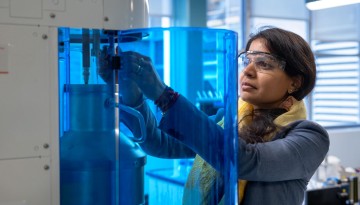
Cornell’s Greeshma Gadikota will partner with Stillwater Critical Minerals to develop environmentally rigorous techniques to help the company extract a steady supply of elements.
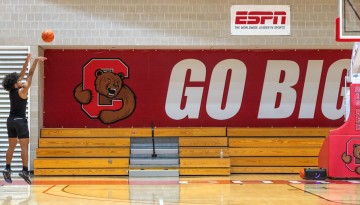
A physics theory that’s proven useful to predict the crowd behavior of molecules and fruit flies also seems to work in a very different context – a basketball court.