"Any Person, Many Stories," a new public history digital exhibition hosted by the Center for Teaching Innovation, uses storytelling methods to take a closer look at Cornell’s past. The project's goal is to engage students, faculty, alumni, staff and community members in a deeper, shared exploration of the university’s aspiration toward “...any person ...any study.”
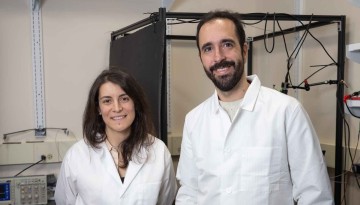
A pair of researchers in the Department of Neurobiology and Behavior are designing new technology and research methods to discover how brain circuits support learning and memory.
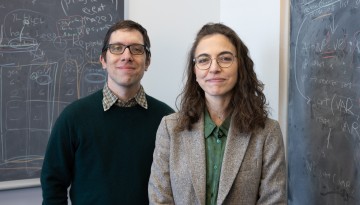
A digital humanities project cataloging the work of 19th century poets has unearthed a trove of work that sheds light on life, history and issues of the time, including the campaign to end slavery.
The size, strength and makeup of people’s social networks are key indicators of how they will respond to the health consequences of an environmental disaster, according to a new Cornell study that focused on the Flint, Michigan water crisis.
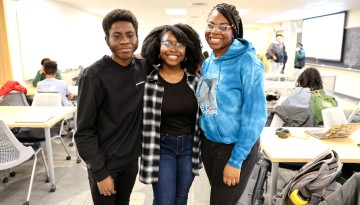
The Cornell chapter of the National Society of Black Engineers is celebrating Black History Month with a variety of events expected to be well attended thanks to the student organization’s recent efforts to boost membership and revitalize its programming.
Hailing from Cremona, Italy, the birthplace of the violin, Quartetto di Cremona will perform works by famed Italian composers Boccherini, Puccini, Respighi and Verdi.