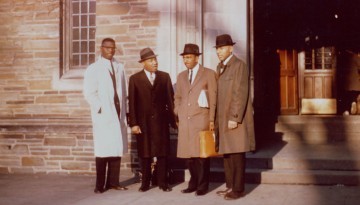
Martin Luther King Jr.’s historic visits to Cornell on Nov. 13, 1960, and April 14, 1961, came at a pivotal point in his life and in American political and social history.
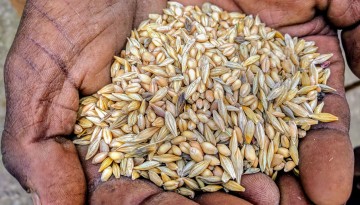
Maslins, or mixtures of grains planted and eaten together, have fed humans for millennia. Now nearly forgotten, they can adapt in real time to unpredictable weather and extreme weather.
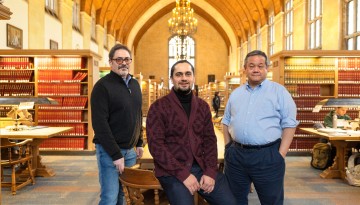
A group led by Scott Stewart, clinical professor of finance and accounting at Johnson, has developed a method for better understanding mutual fund returns, which could impact both performance rankings and fund managers’ career trajectories.
“Rivoluzione 1789-1989” has also been published in English, French and Spanish, with translations to follow in German, Portuguese, Greek, Korean and other languages.
Through eō Business Incubators, founded by a Cornell professor in 2019, faculty and staff provide training for Ukrainian startups, creating and supporting a business infrastructure on which to build after the war.
Four Cornell Cooperative Extension county offices are leading statewide efforts to establish a network of Regional Clean Energy Hubs as part of Gov. Kathy Hochul’s $52 million initiative to connect local communities with clean energy resources.
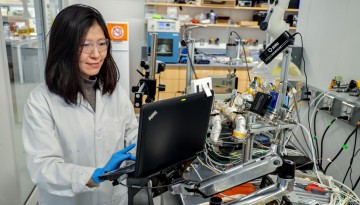
A novel combination of artificial intelligence and production techniques could change the future of nanomedicine, according to Cornell researchers using a new $3 million grant from the National Science Foundation to revolutionize how polymer nanoparticles are manufactured.
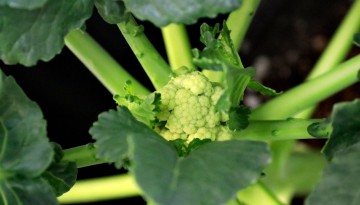
A new study identifies the genetic underpinnings for why broccoli heads become abnormal when it’s hot, providing insight into effects of climate-induced warming for all crops and pointing the way for breeding heat-resistant new varieties.
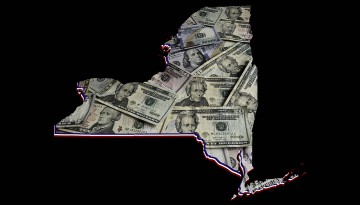
The Cornell ILR Wage Atlas shows who in New York state earns living wages and where, helping policymakers and other stakeholders to understand patterns of inequality.