New research in biomechanics measures the impact of head-first, hand-first and feet-first diving and the likelihood of injury at different diving heights.
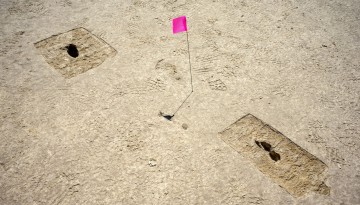
Human footprints believed to date from the end of the last ice age have been discovered on the salt flats of the Air Force’s Utah Testing and Training Range by Cornell researcher Thomas Urban.
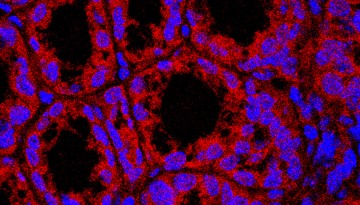
Sphingolipids – prominent molecules produced by bacteria in the gut microbiome – appear to ameliorate a problematic fatty liver, according to new Cornell nutrition research.
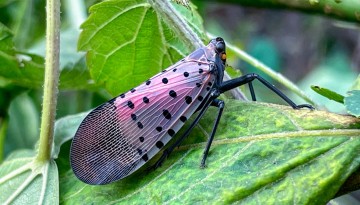
The devastating spotted lanternfly’s spread to upstate and western New York is not a matter of if, but when, experts say – and Cornell is a key player in helping slow the infestation.
Nexus Scholars working this summer with Juno Salazar Parreñas are studying how human health is intricately connected to the health of animals, plants and the environment.