People can limit the negative impact of email by sending messages that clearly define response expectations, according to a new study from the ILR School.
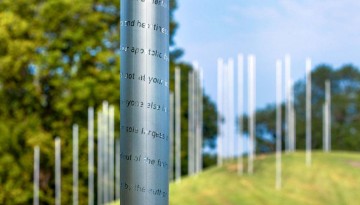
An art installation in Columbus, Indiana, created by two Cornell AAP professors, highlights connections among places around the world named for Christopher Columbus.
A two-year, $500,000 grant will allow a team of Cornell data scientists and ecologists to use eBird data to explore a new way to track pollinator health and biodiversity.
Regional knowledge economies such as Silicon Valley and New York City are one of several areas of research for the Center for the Study of Economy and Society's Economic Sociology Lab, supported by graduate researchers and undergraduate assistants.
BCTR's Residential Child Care Project confirmed 79 fatalities nationally over 26 years resulting from physical and mechanical restraints of children living in out-of-home care settings.
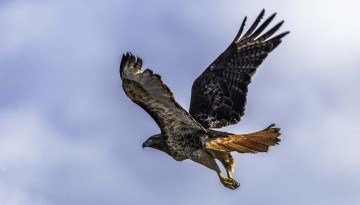
Around 80% of bird species examined in a new study were reported in greater numbers in human-altered habitats during pandemic lockdowns, according to new research based on data from the eBird program at the Cornell Lab of Ornithology.
Students living on campus have a new resource for support when they are experiencing distress, with the launch of the university’s Community Response Team at the start of this semester.
Cornell administrators announced that the university would be changing its COVID-19 alert level back to “New Normal,” citing improved surveillance testing results and the relatively low number of current cases of COVID-19.
The fourth episode of a podcast hosted by Entrepreneurship at Cornell, Startup Cornell, features Jamie Kim ’19, founder and CEO of Jamie’s Farm, a company that inspires change in the way we eat on a daily basis through the humble form of granola