With Cornellian help, NASA's Mars 2020 mission’s Perseverance craft zips through space at 48,000 mph to our neighboring red planet. It is scheduled to land Feb. 18.
Nearly two years after launching, the Praxis Center for Venture Development is reconfiguring its structure to reflect the growth of engineering startups at Cornell and their specialized needs.
Carolyn Finney, author of “Black Faces White Spaces: Reimagining the Relationship of African Americans to the Great Outdoors,” will give the Class of 1945 Lecture, part of the Cornell Botanic Gardens Lecture Series, on Feb. 25.
New research has found that when considering candidates for a position in a male-dominated field, individuals consistently included more women on longer “short lists.”
Working with a “star” employee – someone who demonstrates exceptional performance and enjoys broad visibility relative to industry peers – offers both risks and rewards, according to new research from the ILR School.
Cornell faculty members Jefferson Tester and Lance Collins are among the new class elected to the academy, among the highest professional distinctions for an engineer.
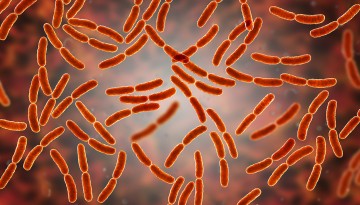
The discovery of an “Achilles’ heel” in a type of gut bacteria that causes intestinal inflammation in patients with Crohn’s disease may lead to more targeted therapies for the difficult-to-treat disease, researchers have found.
The visiting critic discusses the importance of social design shaped by community partnerships, and a collaboration with AAP students and Black high schoolers in Brooklyn.