An animal scientist studying relationships between insulin and milk production in dairy cows has received a three-year, $500,000 grant from the U.S. Department of Agriculture National Institute of Food and Agriculture.
Nominations are being accepted for the annual Faculty Award for Excellence in Research, Teaching and Service Through Diversity. The award recognizes tenured and tenure-track faculty for their leadership in diversity.
Operational changes to Cornell’s peer-led counseling program, EARS, will reshape the student organization this spring, and new opportunities will be developed for students to support one another and bolster campus mental health.
Former Ohio Gov. John Kasich decried the negativity of current politics and urged people across the political spectrum to work together to find solutions during a conversation Feb. 17.
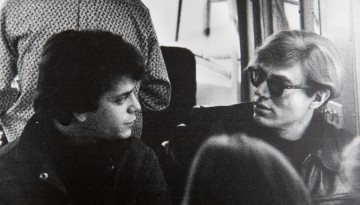
Judith Peraino, professor of music, won a grant from the National Endowment for the Humanities to research artist Andy Warhol’s influence on pop and rock musicians in the 1970s, including David Bowie and Lou Reed.
Millions of people around the world hushed on Feb. 18 to hear NASA engineer Swati Mohan ’04 calmly call the play-by-play of Perseverance rover landing on Mars.
Doctoral students Rob Swanda and Juliana González-Tobón have taken the internet by storm with their videos that take some of the mystery out of the COVID-19 vaccines.