Cornell scientists have developed a new technique for imaging a zebrafish’s brain at all stages of its development, which could have implications for the study of human brain disorders, including autism.
LEAD New York, a leadership training program in the College of Agriculture and Life Sciences, has received national recognition for innovation and creativity in community development programming.
Alexander Colvin, Ph.D. ’99, an employment and labor expert, says businesses affected by the pandemic will weather the economic storm more successfully if they collaborate with their workforces.
Ian Kysel, visiting assistant clinical professor of law, helped draft principles for protecting migrants and refugees during the pandemic that have been endorsed by more than 800 scholars.
New York City’s L train has resumed full service following an extensive rehabilitation project that finished six months early and $100 million under budget, thanks in part to Cornell engineers.
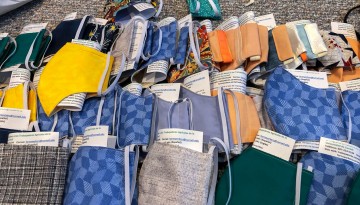
To help protect farmworkers and slow the spread of COVID-19 in rural New York, the Cornell Farmworker Program is mobilizing local support to make and distribute face masks across the state.
Rachel Beatty Riedl, an expert in international studies, says Africa is the first place to look for an effective response to the COVID-19 pandemic, given Africa’s success in dealing with the Ebola virus.
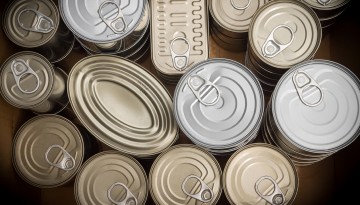
A Cornell faculty member is part of a core team that has organized the Tompkins County COVID-19 Food Task Force, a nerve center working to ensure that those in need have access to food and that food producers stay in operation during the crisis.
Victor Nee, the Frank and Rosa Rhodes Professor of Economic Sociology, is among 276 newly elected members of the American Academy of Arts and Sciences.