A team including a Cornell researcher has developed a digital “virus” that could piggyback on contact-tracing apps and spread from smartphone to smartphone in real time, helping policymakers predict COVID-19 spread.
Karl Pillemer, an expert on older adults, predicts older people will increasingly stay in their own homes, rather than in nursing homes, as a result of the COVID-19 pandemic.
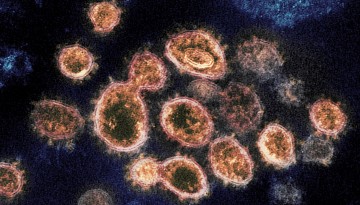
A Cornell study of the structure of SARS-CoV-2, the virus that causes COVID-19, reveals a unique feature that could explain why it is so transmissible between people.
More communities can protect their residents from water shutoffs, through oversight or publicly owned water utilities, according to a new policy research paper co-authored by Mildred Warner, professor of city and regional planning.
Doctoral students Sri Lakshmi Sravani Devarakonda and Cheyenne Peltier have been named winners of the 2019-20 Cornelia Ye Outstanding Teaching Assistant Award.
William A. Jacobson, an expert in securities arbitration, says it’s tough to compare the current economic downturn to earlier ones, due to its health-related roots and wide-ranging scope.
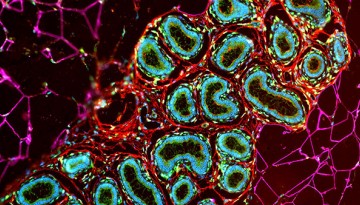
A class of immune cells push themselves into an inflammatory state by producing large quantities of a serotonin-making enzyme, a finding that could inform future treatments for asthma and other allergic disorders.
A monumental calligraphy scroll on display in the Bartels Gallery in the Herbert F. Johnson Museum of Art, by Tong Yang-Tze, one of Taiwan’s foremost calligraphers, can be viewed online.
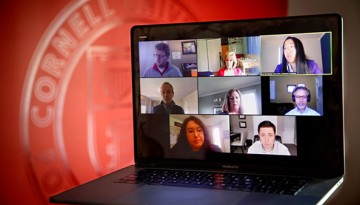
Planning committees are assessing options for reopening Cornell's campuses amid hopeful signs that the spread of COVID-19 is slowing, university leaders said April 29 during a virtual staff forum hosted by the Employee Assembly.