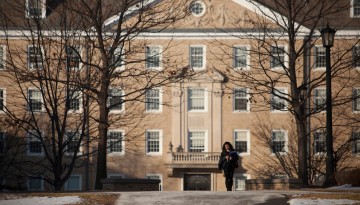
The recommendations to refocus the College of Human Ecology and form several “superdepartments” are the latest steps in a multiyear review of how to strengthen the social sciences at Cornell.
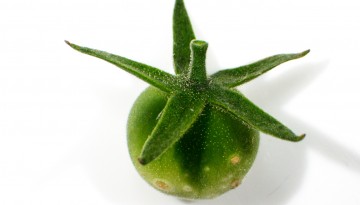
New research from the lab of Christine Smart in the College of Agriculture and Life Sciences shows that wild tomato varieties are less affected by deadly bacterial canker than traditionally cultivated varieties.
Events this week include a free public talk about the Gardens by the Bay in Singapore; “Ad Astra” and more at Cornell Cinema; and a staff forum hosted by the Division of Human Resources.
Faculty members Anthony Burrow and Julia Felippe, Ph.D. ’02, have been appointed provost’s fellows for public engagement, to advance Cornell’s public engagement mission and initiatives around community-engaged learning and research.
David Pimentel, Ph.D. ‘51, professor emeritus of agricultural sciences, entomology and ecology, and an influential champion for the environment, died Dec. 8 in Ithaca. He was 94.
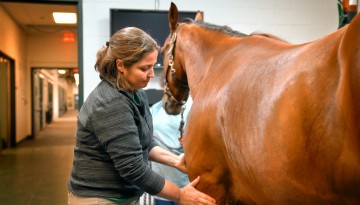
Recent multidisciplinary research at Cornell, led by Dr. Michelle Delco from the College of Veterinary Medicine, reveals that the application of a proprietary peptide may protect cartilage from osteoarthritis.
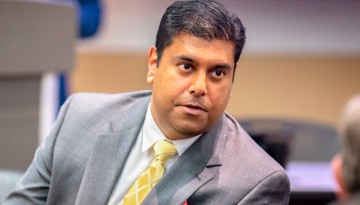
Dr. Sumit Narayan Niogi, assistant professor of radiology and clinical associate in radiology at Weill Cornell Medicine, has been named director of the Cornell Magnetic Resonance Imaging Facility.