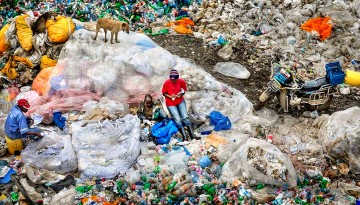
Ian Greer, M.S. ’03, Ph.D. ’05, a senior research associate in the ILR School, built a class that explores unemployment and the effects surrounding it with the help of the Engaged Curriculum Grant program.
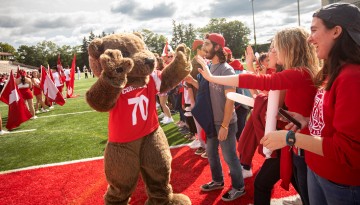
Cornell will welcome everyone – alumni, students, faculty, staff, and residents of Ithaca and surrounding communities – to the Ithaca campus for its annual Homecoming celebration, Oct. 4-5.
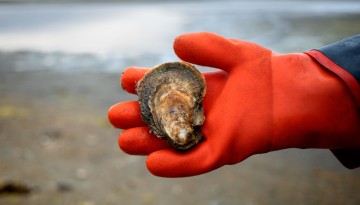
Cornell Cooperative Extension is leading the largest effort ever to restore native shellfish populations to Long Island, rejuvenating its waters and improving its maritime ecosystem and economy.
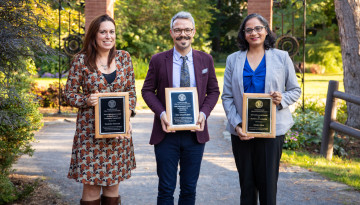
Four postdoctoral scholars were honored with Postdoc Achievement Awards as part of Cornell's participation in National Postdoc Appreciation Week. The awards recognize excellence in community engagement, leadership and mentoring.
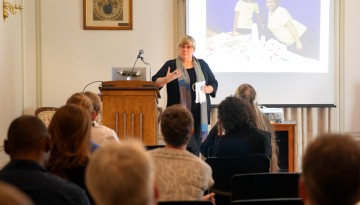
Poetry and performance, as well as more traditional presentations, were among the nine projects highlighted in the first Rural Humanities Showcase, held Sept. 6 in the A.D. White House.
Events this week include a climate rally, talks and films on climate change; a play depicting a soccer team’s coming of age; and a celebration of Korean language and culture.
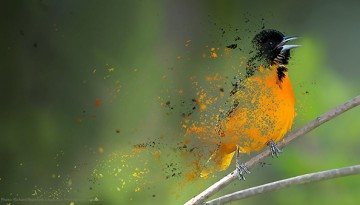
A team of scientists from seven institutions has published research that shows a massive loss of nearly 3 billion breeding adult birds since 1970, with devastating losses among birds in every biome.
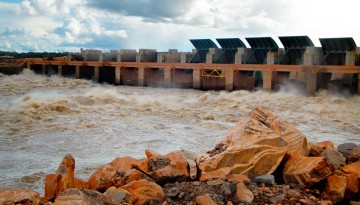
A Cornell-led team has developed a computational model that uses artificial intelligence to find the most sustainable configurations of hydropower dam sites in the Amazon basin.