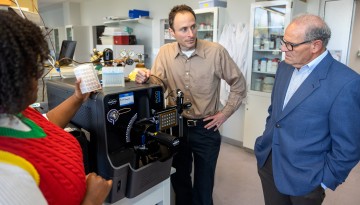
A new platform slashes screening time for the hundreds of grape samples E&J Gallo Winery collects during harvest - the latest milestone in a partnership that benefits the entire grape and wine industry.
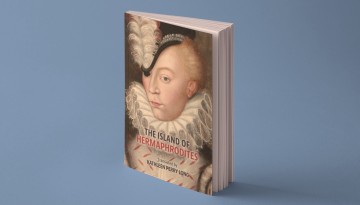
The novel, published anonymously in 1605, is "a very funny critique of court life that resonates for anyone dealing with very hierarchical institutions in which the exercise of power is often inscrutable and seemingly random,” says professor Kathleen Perry Long.
Prof. Coates is being recognized “for transformative work at the interface of chemical catalyst design and polymer science, leading to novel ways of making biodegradable and recyclable plastics.”
Cloud cover is bad for picnics and for viewing stars through a telescope. But an exoplanet with dense or even total cloud cover could help astronomers searching for signs of life beyond our planet, Cornell researchers have found.
Eight Brooks School master's students in public and health administration are fellows in the Service to Service initiative, which connects veterans and military families with public policy schools and careers in public leadership.
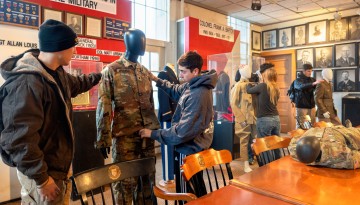
Opening on Veterans Day, the Cornell Fashion + Textile Collection exhibition traces the interplay of form and function across conflict and couture – while highlighting Cornell’s land-grant legacy of military service.
Rocky Kambo, director of operations and business for the Animal Health Diagnostic Center at the Cornell University College of Veterinary Medicine, will transition to the role of associate dean of finance and administration for the College of Agriculture and Life Sciences.
Researchers used advanced data analytics to create a state-by-state look at that environmental impact of the AI boom and how to make the computing infrastructure that supports it more sustainable.