Cornell events in June include a special Reunion exhibition at the Johnson Museum; programs at Cornell Botanic Gardens and a free concert on the Arts Quad.
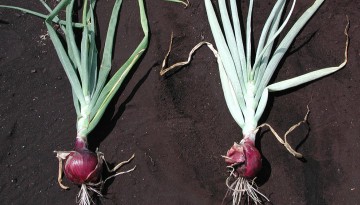
A common onion pest was wreaking havoc on New York state onion crops, but Brian Nault of Cornell AgriTech developed a science-based strategy that has decreased pesticide use and improved onion quality.
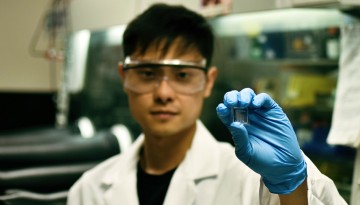
The debate over how one of the most popular osteoarthritis treatments should be federally regulated could change, thanks to Cornell research that provides a better understanding of the science behind hyaluronic acid injections.
Three members of the faculty of the College of Arts and Sciences were presented awards for teaching and advising at a May 25 trustee-faculty dinner recognizing universitywide excellence.
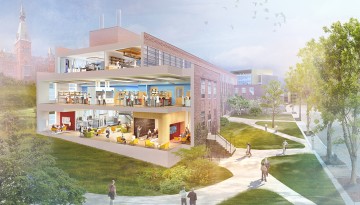
A $10 million gift from the Fleming family will establish the Samuel C. Fleming Molecular Engineering Laboratories, a new state-of-the-art lab spanning the entire north wing of Olin Hall.
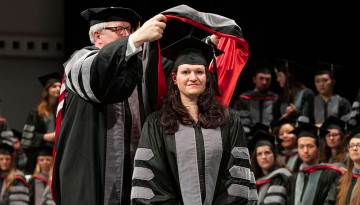
After countless hours of work in the lecture hall, lab and field, the Cornell College of Veterinary Medicine Class of 2019 was recognized at the college’s hooding ceremony May 25 in Bailey Hall.
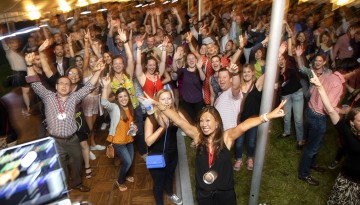
From June 6–9, alumni celebrating their 5th through their 75th reunion years will meet in Ithaca for Reunion 2019, featuring inspiring conversations, learning opportunities, music, art and social gatherings.
Five doctoral students in engineering will spend a fully funded semester examining the business prospects for a diverse array of Cornell technologies as the newest class of commercialization fellows.