The Praxis Center for Venture Development, which formally opened March 21, will help clients accelerate research and development of their technologies while supporting business development in New York state.
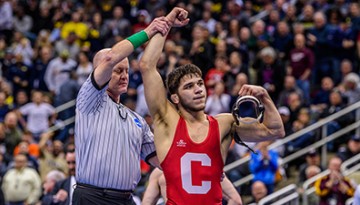
Sophomore Yianni Diakomihalis claimed his second national title, classmate Max Dean came tantalizingly close to his first, and Cornell posted a top 10 team finish for the 12th consecutive year at the 2019 NCAA Wrestling Championships in Pittsburgh.
Alan Krueger ’83, one of the world’s most influential labor economists and an advisor to presidents Bill Clinton and Barack Obama, died at his home March 16. He was 58.
This week’s events include the Cornell Bhangra team’s 18th South Asian dance exhibition, guest trumpeter Ingrid Jensen performing with the Cornell Jazz Ensemble, assistant professor Andrew Moisey in a “Chats in the Stacks” book talk and Dragon Day on March 29.
Treatment guidelines recommended by medical specialist organizations are more likely to call for greater use of health care services and exacerbate overtreatment, says Dr. Sunita Sah, assistant professor of management and organizations.
Third-year students in Cornell’s College of Veterinary Medicine gathered March 16 in Bailey Hall for the traditional White Coat Ceremony, signifying their transition into clinical training.