Each grantee will receive dedicated support and funding from the center to pursue innovative and creative projects that deepen academic knowledge and connect to the mission of the center to create more just and equitable futures.
The U.S. Food and Drug Administration (FDA) has granted Breakthrough Device Designation to NSE-FAST®, the first rapid blood test designed to aid in the diagnosis of acute ischemic stroke.
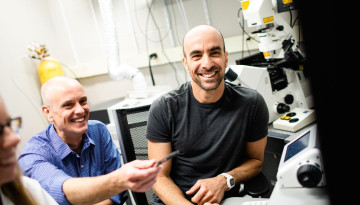
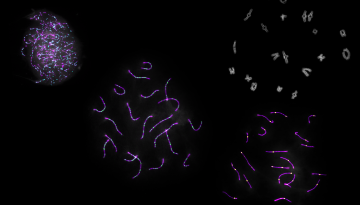
A Cornell-led study is challenging a decades-old explanation for how chromosomes exchange genetic material within the biological process that forms eggs and sperm in mammals.
The Cornell Climate Stewards program gives New York state residents the tools and confidence to address the impacts of climate change in their communities.
China’s Scientific Outlook on Development program, which tied local leaders’ job performance evaluations to environmental quality improvements, had negative impacts on the country's agricultural economy, researchers found.
Online content creator burnout is, in part, “unspeakable” – a product of a confluence of factors, including the informal nature of platform labor and the privileged status of creative work, seen by many as a “dream job.”
Tree swallows in the northern U.S. and Canada face the greatest risk from climate change despite responding to temperature the same way as tree swallows in the southern U.S.