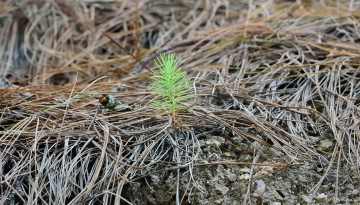
A new ecological discovery – that global warming is slowing tree growth – means current climate predictions could overestimate forests’ potential for carbon storage by as much as 30%.
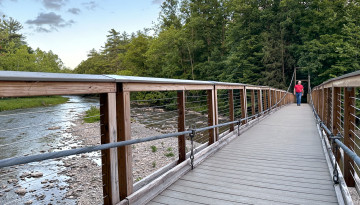
Thanks to a new civil and environmental engineering course, adjunct professor Charlie Trautmann helps students hone their engineering skills by designing and building a series of community bridges.
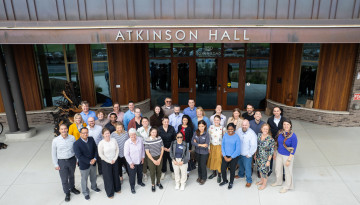
Cornell Atkinson hosted its first executive education program – the Resilient Futures Leadership Program: Financing Sustainable Agriculture – with partner Field to Market. The successful program will be offered twice more over the next two years.
A delivery system that uses lipid nanoparticles to sneak proteins into cells can accomplish the same feat with smuggling therapeutic antibodies, new research has found.
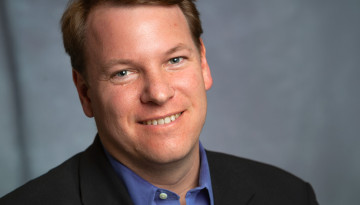
Cornell’s faculty members have elected Chris Schaffer, the Meinig Family Professor of Engineering in the Cornell Duffield College of Engineering, dean of faculty. Schaffer will begin his three-year term starting July 1.