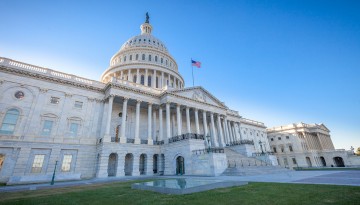
Supporting engagement efforts in D.C. by faculty, staff and students is central to Cornell’s Office of Federal Relations mission, even more so as the coronavirus pandemic has limited opportunities for face-to-face advocacy.
A brand-new school at Cornell opened 75 years ago, Nov. 5, 1945, as the ILR School’s first students streamed into Warren Hall on the Ag Quad for Introduction to Industrial Relations.
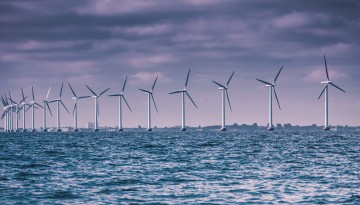
An analysis of Denmark’s wind industry offers lessons for policymakers seeking to increase renewable electricity production with limited budgets, according to Cynthia Lin Lawell.
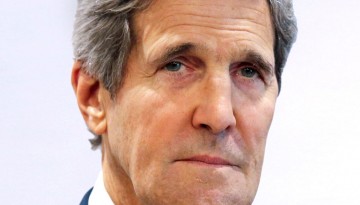
Former Secretary John Kerry discussed foreign relations, climate change, political polarization and other immediately relevant topics Oct. 29 during the Belnick Family LaFeber/Lowi Presidential Forum.
Cornell-led research has found that effective national and local governments are associated with fewer deaths from natural disasters – even in countries with similar levels of wealth and development.
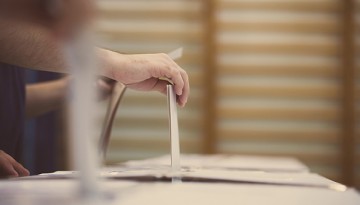
Amid the clatter in the days before the presidential election, three professors in the College of Arts and Sciences offered a bright light at the end of the 2020 tunnel: hope for democracy.
After learning the theory and methodology behind public opinion polls, undergraduates in “Taking America’s Pulse” surveyed a nationally representative sample of more than 1,100 Americans on a wide range of topics.
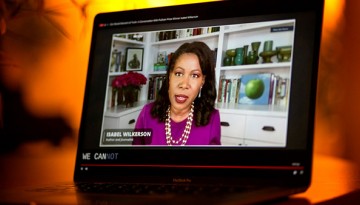
Isabel Wilkerson, journalist and author of “Caste: The Origins of Our Discontents,” on Oct. 21 delivered the Cornell Center for Social Sciences’ annual Distinguished Lecture in the Social Sciences.
An International Labor Organization standard that helps protect the world’s domestic workers has sparked change in some areas of the world, Adelle Blackett said in the ILR School’s annual Cook-Gray Lecture on Oct. 15.