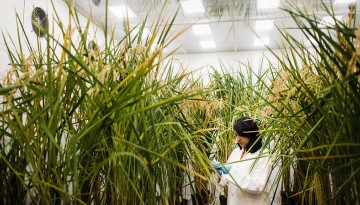
Four new studies explore lessons learned from the first five years of the Gender-responsive Researchers Equipped for Agricultural Transformation (GREAT) project.
Eleven assistant or associate professors representing four colleges have recently received National Science Foundation Faculty Early Career Development Awards to support their research objectives.
From cell-sized robots to the manipulation of human genes, Arts Unplugged: Science of the Very, Very Small on March 9 will explore nanoscale and quantum innovations shaping our future.
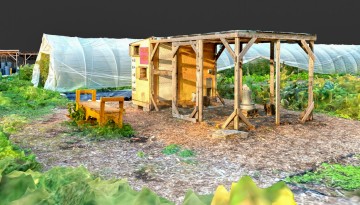
Cornell researchers have created the most advanced virtual reality urban farm tour ever made, an online learning experience that promises to transport urban and rural farmers to New York City’s Red Hook Farms without ever leaving home.
An award-winning Argentine author, an agro-sustainability innovator, a renowned archaeologist and a leading sociolinguist are set to visit campus this spring as Andrew Dickson White Professors-at-Large.
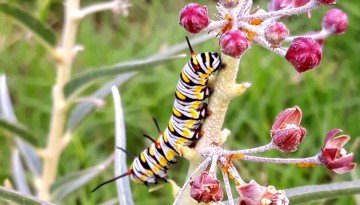
Researchers have identified a species of milkweed that holds promise for planting on roadsides to improve conservation habitat for migrating monarch butterflies.
Students in the College of Veterinary Medicine provided spay-neuter and wellness services for a total of 50 cats from underserved communities in the greater Ithaca area to mark World Spay Day Feb. 12
The tools of AI and machine learning will soon be at the fingertips of the College of Veterinary Medicine’s faculty, staff and students to mine more than 1.4 million clinical cases and 14.2 million diagnostic tests to assist in clinical research.