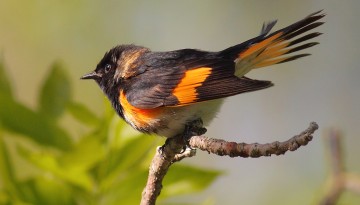
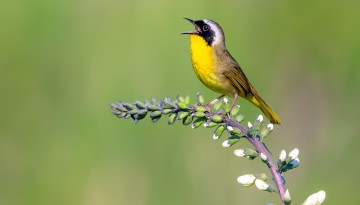
With its new Migration Dashboard, the BirdCast program at the Cornell Lab of Ornithology can now show how many birds are estimated to have flown over a particular county in the lower 48 states on any given night during migration, updated in near-real time.
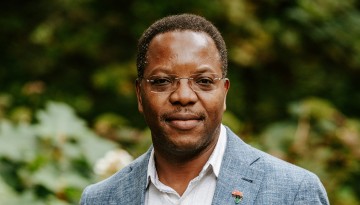
Ed Mabaya, MS ’98, Ph.D. ’03 has been named director of Cornell’s Hubert H. Humphrey Fellowship Program, a premier training program for mid-career professionals from developing and emerging economies in areas of agriculture, rural development and natural resource management.
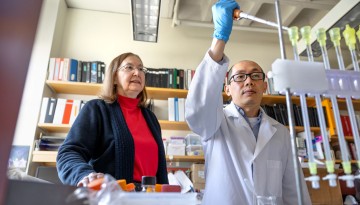
A Cornell study describes a breakthrough in the quest to improve photosynthesis in certain crops, a step toward adapting plants to rapid climate changes and increasing yields to feed a projected 9 billion people by 2050.
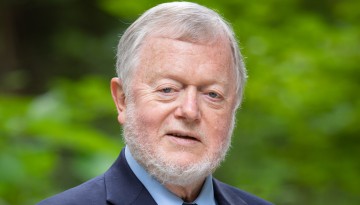
Peter Gregory, who for more than a decade supported cadres of international leaders through the Hubert H. Humphrey Fellowship Program at CALS, will retire June 30.
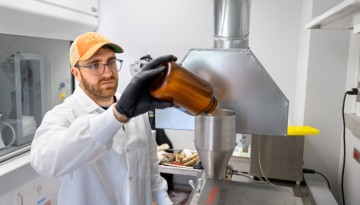
As consumers want fewer food preservatives and less plastic waste, Cornell scientists have created a bioderived polymer that helps salad dressings and beverages last longer in the fridge.
MBA candidates in the first cohort of Cornell's new BioEntrepreneurship Initiative will collaborate with doctoral researchers in the life sciences across Cornell. The program is designed to develop startup leaders and foster innovation in the life sciences.
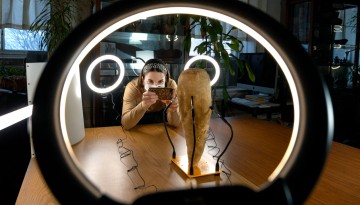
Master’s student Carol Anne Barsody is working with an array of interdisciplinary collaborators to explore the origins of a mummified bird and create a multisensory exhibition that rethinks the way ancient artifacts are presented in museums.
Three teams have been awarded Public Issue Network Grants, providing up to $30,000 in funding for each project over three years. The grants support faculty, staff, students, alumni and community partners as they weave broader, more effective networks of potential collaborators, coordinate resources and increase the impact of their work on a particular social issue.