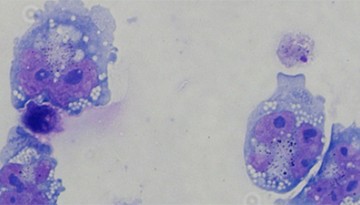
Errors in the regulation of gene expression may contribute to the development of a common form of blood cancer and point to potential treatment strategies.
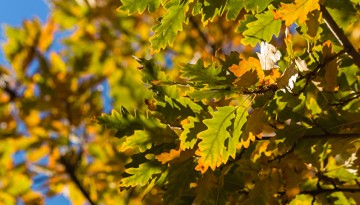
Cornell scientists in partnership with state agencies identified oak wilt, a devastating pathogenic fungus that kills oak trees, in four towns on Long Island, in Brooklyn and in Canandaigua.
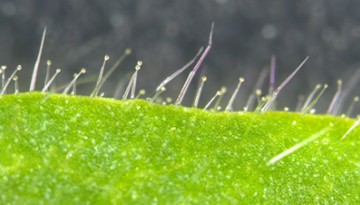
Gaurav Moghe has undertaken characterization of acylsugars, a family of compounds found only in potatoes, tomatoes and peppers, that play an important role in plant self-defense.
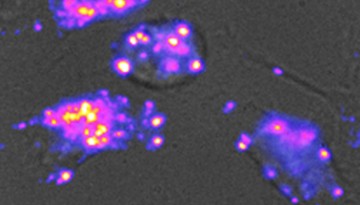
Nano-sized sensors developed by Weill Cornell Medicine and Memorial Sloan Kettering Cancer Center researchers can measure lipids, or fat molecules, in special compartments within live cells.
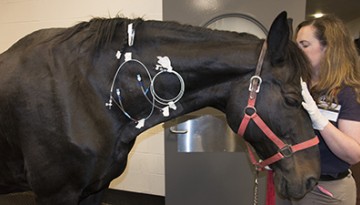
Transvenous electrical cardioversion, a new procedure for atrial fibrillation offered by cardiologists at the College of Veterinary Medicine, resets the quivering heart of a horse back to its normal heartbeat.
Eating habits of deer lower native plant diversity and abundance, while increasing the proportion of plant communities made up of non-native species, according to a new study.
It’s possible to predict the fragrance of a flower by looking at its color, according to a study of species on the Greek island of Lesbos that included Cornell professor Robert Raguso.