A Cornell study describes for the first-time evidence of ‘jumping genes’ adopting a bacterial immune mechanism for transferring genetic material between bacteria and across bacterial species.
A fungus known to decimate populations of gypsy moths creates “death clouds” of spores that can travel more than 40 miles to potentially infect populations of invasive moths, according to a new study.
Fourteen Cornell students and recent alumni are setting out this fall for destinations around the world, thanks to grants from the Fulbright U.S. Student Program.
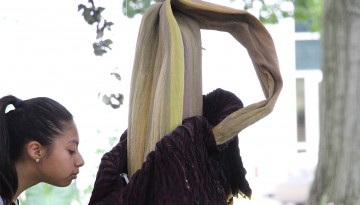
Carolus, one of the College of Agriculture and Life Sciences' Titan arums (Amorphophallus titanum), also known as a corpse flower, bloomed in Minns Garden - the first time one of the flowers ever bloomed in a region outside of the tropics.
Herbert Schryver, DVM '54, an emeritus professor with expertise in veterinary pathology, equine nutrition and biomechanics, died June 26 at the age of 89 in Ithaca.
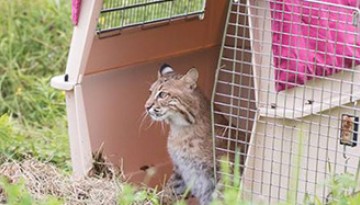
Veterinarians at Cornell's Janet L. Swanson Wildlife Health Center recently saved the life of a bobcat hit by a car in Lansing, New York, and released him into the wild.
Ten new Mong Family Foundation Fellows in Neurotech will work jointly under the mentorship of Cornell faculty to advance technologies providing insight into how brains work.