The prize aims to “change the paradigm of neuroscience research by creating a community of next-frontier thinkers who can uncover a deeper understanding of the brain and cognition.”
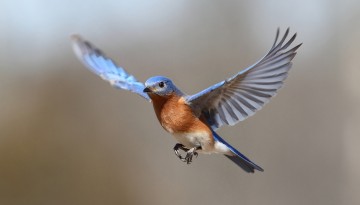
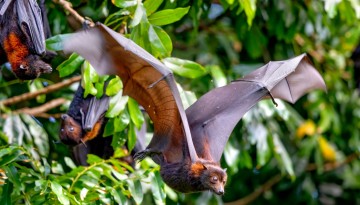
Researchers plan to measure the impact of the April 8 solar eclipse on the movements of birds, bats and insects – flying creatures that are very attuned to changes in light levels.
While world public health agencies are focused on how to react to the next pandemic once it has started, a new plan proposes using ecological perspectives to prevent disease outbreaks before they happen.
By studying individuals who spontaneously clear hepatitis C infections, a team of researchers has identified viable vaccine targets for a disease that infects 70 million worldwide.
Summer Session, part of Cornell’s School of Continuing Education, is open to Cornell students, students from other universities and adult learners who wish to earn up to 15 credits.
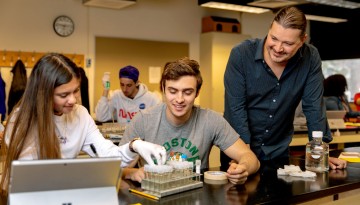
Researchers in the College of Agriculture and Life Sciences have created an “extension without penalty” system that features two assignment deadlines – an “ideal” and an EWP – and charted how the penalty-free extensions were used by students.
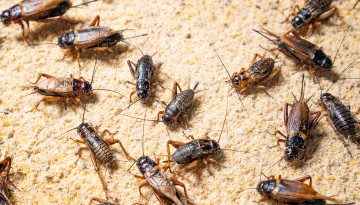
Eating flours, burgers and fitness bars made from crickets, mealworms or black soldier fly larvae could help feed a growing global population sustainably, but it might hit resistance from those who follow halal or kosher regulations.
Eight projects have been selected from the Fall 2023 application cycle to receive Ignite Innovation Acceleration grants. The grants are designed to help project teams pursue licensing, form startups, and forge industry collaborations.
Feline-centric chatbot connects cat owners with credible, science-based information in a novel way. Users can ask the chatbot questions, get to the answers quickly and ask follow-up questions – or even play games.