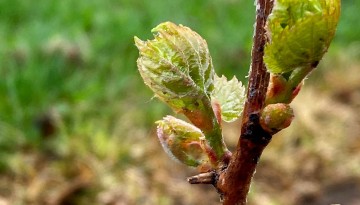
A new Cornell-developed computer model that estimates the temperatures that cause freeze damage in a dozen grape cultivars can help growers plan for the season when damage does occur.
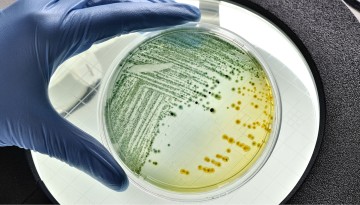
The research reveals how dietary tryptophan – an amino acid – can be broken down by gut bacteria into small molecules called metabolites that ultimately keep E. coli from colonizing in the gut.
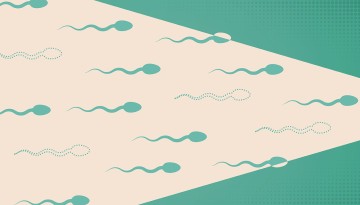
A cross-college collaboration is opening new doors in the study of male infertility by breaking down a key step in sperm formation. Isolating the intricacies of meiotic sex chromosome inactivation, will now enable researchers to identify what happens when that key step fails.
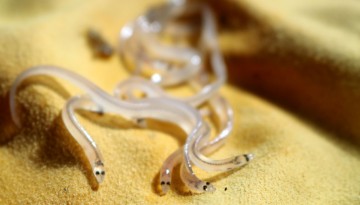
The Hudson River Eel Project – which has netted, counted and released roughly 2 million juvenile eels since its inception in 2008 – owes its success to a cadre of nearly 1,000 high school, college and adult citizen scientists donating time and effort each spring along the Hudson River.
Older adults with impaired memory exhibit selective language deterioration – a finding that could lead to earlier detection and ultimately more effective treatment of Alzheimer’s disease.
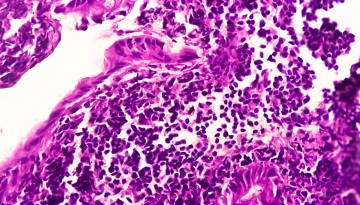
Researchers comparing intestinal samples of children with Crohn’s disease and healthy children found one molecule that shows significant differences between the two groups.