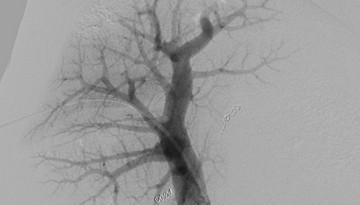
A simple blood test may better predict which patients diagnosed with liver cancer will experience disease reoccurrence, according to new research from Weill Cornell Medicine scientists.
Professor and chair of city and regional planning Susan Christopherson, known for her scholarly work and expertise on regional economic development, died Dec. 14, 2016, following a battle with cancer. She was 69.
Dr. Michael Satlin at Weill Cornell Medicine and Ilana Brito in Ithaca are researching how to fight drug-resistant bacteria – "superbugs" that threaten cancer patients' fragile immune systems.
The Merlin Bird Photo ID mobile app has been launched and, thanks to machine-learning technology, can identify hundreds of North American species it “sees” in photos.
An experimental drug that blocks the activation of an immune cell component effectively prevented rejection of heart transplants in mice, says new research from scientists at Weill Cornell Medicine.
A Weill Cornell Medicine study published Dec. 7 represents the first time scientists have captured the restoration of communication of a minimally conscious patient by measuring aspects of brain structure and function.
Patients with depression can be categorized into four unique subtypes defined by distinct patterns of abnormal connectivity in the brain, according to new research from Weill Cornell Medicine.
A synthetic mesh commonly used to treat urinary incontinence and weakening of female pelvis walls can lead to complications, new Weill Cornell Medicine research suggests.
“Entanglements: Conversations on the Human Traces of Science, Technology, and Sound” features interviews with Trevor Pinch, the Goldwin Smith Professor of Science & Technology Studies and professor of sociology.