Researchers at Weill Cornell Medicine recently discovered that low levels of folate, a B vitamin essential for cell growth, can trigger specific genetic changes found in several human cancers, including lung tumors.
Founded in 2016 to connect artists with technologists and academics across Cornell’s campuses, Backslash has grown into a global launchpad, with its artists debuting works at major venues.
As researchers are racing to find greener ways to power AI, a new study explores a promising solution: analog in-memory computing, utilizing analog chips.
People usually strive to be their true, authentic selves, but this fall, five master’s students at Cornell Tech adopted not only alter egos but also “bad intent,” in an effort to make AI safer for health workers serving people with diabetes.
Researchers in Cornell’s Matter of Tech Lab have developed CeraPiper, a fabrication system that creates customized sizes and shapes of ceramic pipes that can be fitted together and filled with water for environmentally friendly evaporative cooling.
Know Your Rights presentations are part of the ongoing Cornell Immigration Legal Information Project, funded with a grant from the Park Foundation and started in January 2025.
New York state’s aging population isn’t only evident in more graying residents, but in a declining number of school children – down more than a quarter-million over the past decade, according to a new analysis by Cornell demographers.
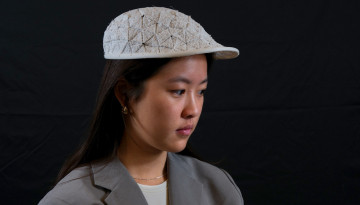
Researchers from the Cornell Bowers have developed OriStitch, a new software and fabrication system that takes simple 3D objects and spins them into a design for a textile version using carefully placed stitches in fabric.