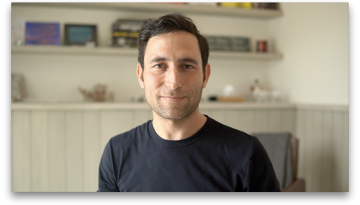
Cornell University alumnus Scott Belsky ‘02, partner at entertainment studio A24 and founder of A24 Labs and Behance, has joined the Cornell Tech Council.
Best-selling writer and technology blogger Cory Doctorow will make the A.D. White Professor-at-Large program’s second dual-campus visit, ending his week at Cornell Tech in New York City. Four other professors will visit Cornell this fall.
With three Sloan Fellows, three NSF CAREER Award winners, and a Forbes 30 Under 30 honoree among them, this year’s new faculty cohort arrives with notable accolades and ambitions.
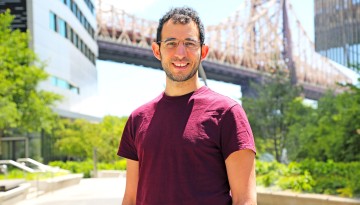
Mako, co-founded by assistant professor Mohamed Abdelfattah, sets out to tackle one of artificial intelligence’s most pressing infrastructure challenges: optimizing the computing efficiency of graphics processing units.
A new system developed by Cornell Tech researchers helps users detect when their online accounts have been compromised — without exposing their personal devices to invasive tracking by web services.
The research introduces the first framework for analyzing how digital authentication tools can be exploited in contexts such as intimate partner violence, elder abuse and human trafficking.
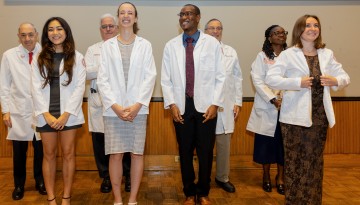
Surrounded by friends and family, 106 students in the Class of 2029 participated in Weill Cornell Medical College’s annual White Coat Ceremony on Aug. 12, officially marking the beginning of their medical education.
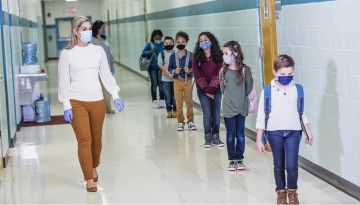
COVID-19 prevention methods such as masking and social distancing also suppressed the circulation of common respiratory diseases, leaving young children lacking immunity to pathogens they otherwise would have been exposed to, a new study reveals.